Between 1536 and 1540 the religious houses of England and Wales — abbeys, priories, nunneries and friaries — were closed, their lands taken into the Crown's hands, their communities dispersed. The word "dissolution" sounds final, and in one sense it was: monastic life in England never returned. Yet walk through almost any English town and you are walking past its consequences. The useful question is not what vanished but why so much survived, often in shapes nobody intended.
The process was administrative long before it was brutal. In 1535 Thomas Cromwell's commissioners compiled the Valor Ecclesiasticus, a survey of clerical incomes that gave the Crown reliable figures. An Act of 1536 dissolved the smaller houses, broadly those worth under £200 a year. The greater monasteries fell between 1538 and 1540, as surrender deeds were collected one house at a time; Glastonbury held out and its abbot was executed, while Peterborough's last abbot became the first bishop of the new cathedral. The Court of Augmentations, established in 1536, managed the paperwork: pensions, leases, sales. Once a surrender was signed, buildings and land belonged to the king, who leased or sold them on. Resistance was real — the Pilgrimage of Grace in 1536 showed how real — and it was suppressed.
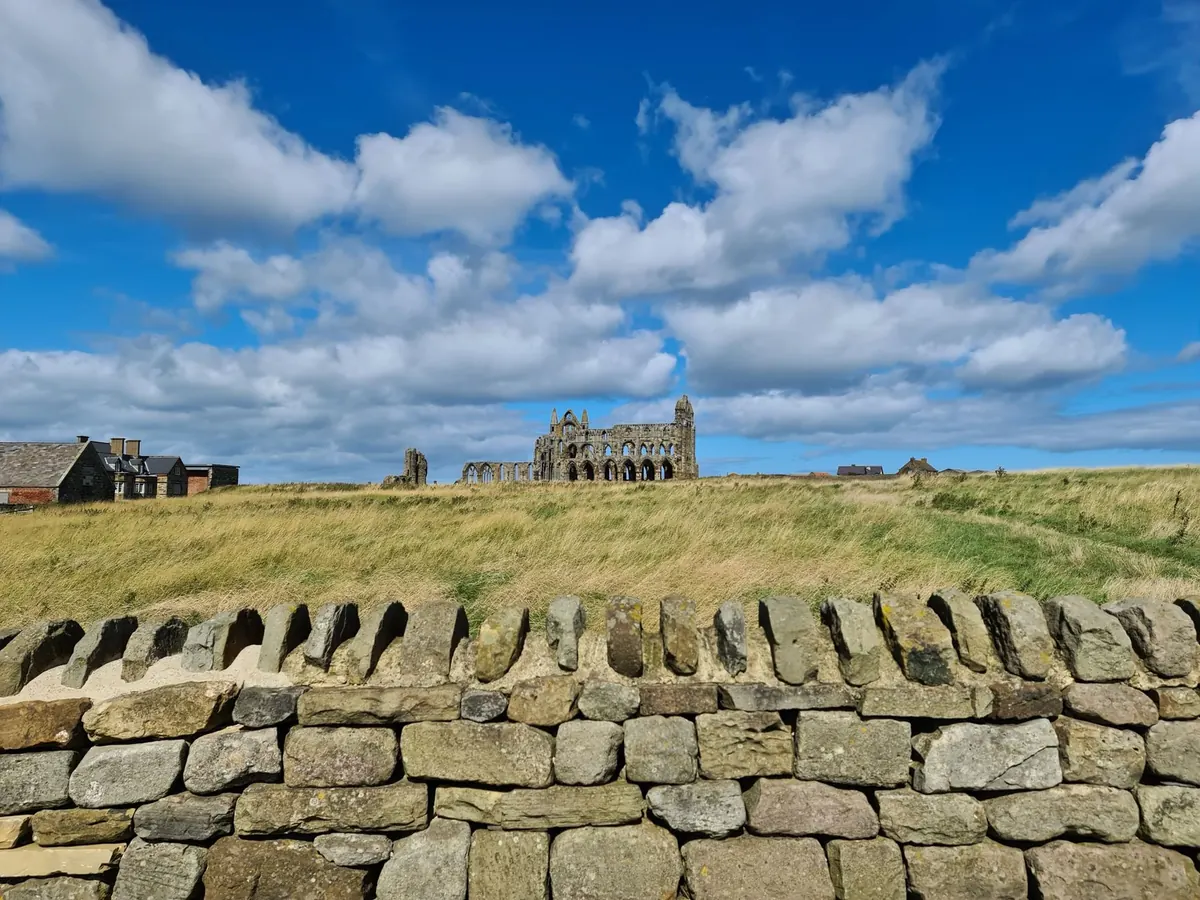
Monastic fabric endured where it kept doing a job. Lead, glass, bells and dressed stone were portable wealth, and a roofless building exposed to English weather is a quarry within a generation. The churches that stand best share one feature: somebody still needed them. Where a monastery church had served monks and parishioners together — often with a separate nave for the parish — the parish kept its part, and the conventual choir behind the screen was pulled down. That is why Tewkesbury, Sherborne, Great Malvern and St Albans preserve such magnificent churches, and also why so many of them feel slightly lopsided, half a building doing duty for a whole one.
The other great rescue was promotion. Several monastic churches became cathedrals of the "new foundation", their chapters re-formed and their buildings suddenly requiring maintenance: Canterbury, Winchester, Durham, Ely, Norwich and Worcester among them, with Peterborough, Gloucester, Bristol, Chester and Oxford created or re-founded afresh. A cathedral needs a roof.
Most monastic land did not stay with the Crown. It was granted or sold to courtiers, gentry, London merchants and existing neighbours, and much of it was sold on again within a decade to pay for war. Granges and home farms usually continued as farms, which is why so many fields still carry names like Abbey Farm, Monk's Barn or The Grange. Some towns bought their church or negotiated to keep it. Rents and entry fines could rise under new owners; some tenants gained a landlord who lived nearby and cared about the estate, others did not. Either way, the disappearance of monastic hospitality, almsgiving and schooling was noticed at the time, and towns and benefactors patched the gap unevenly.
Book collections were the most fragile part of the inheritance. Manuscripts had no cash value compared with lead, and thousands of volumes were dispersed, sold, or used as waste — parchment sheets served as wrappers, file covers and bookbinding stiffening, and many survive today only because a sixteenth-century binder needed something cheap. Antiquaries such as John Leland and John Bale complained bitterly and collected what they could; later collectors, including Matthew Parker and Robert Cotton, gathered manuscripts that would otherwise have gone. At Durham and Worcester, a good part of the medieval library passed into the new cathedral collections, which is why those shelves still hold books that monks once read.
People were dealt with individually. Monks and nuns who surrendered quietly received pensions, scaled roughly to the wealth of the house and paid through the Court of Augmentations; nuns' pensions were typically smaller, and lay brothers, who were not choir monks, often got nothing at all. Most former religious adapted: monks took posts as parish clergy, schoolmasters or cathedral chaplains, and some nuns returned to their families or married. A few refused the oath and were executed, particularly among the Carthusians and the Observant Franciscans. The communities ended not with a single blow but with a slow scattering into ordinary English life.
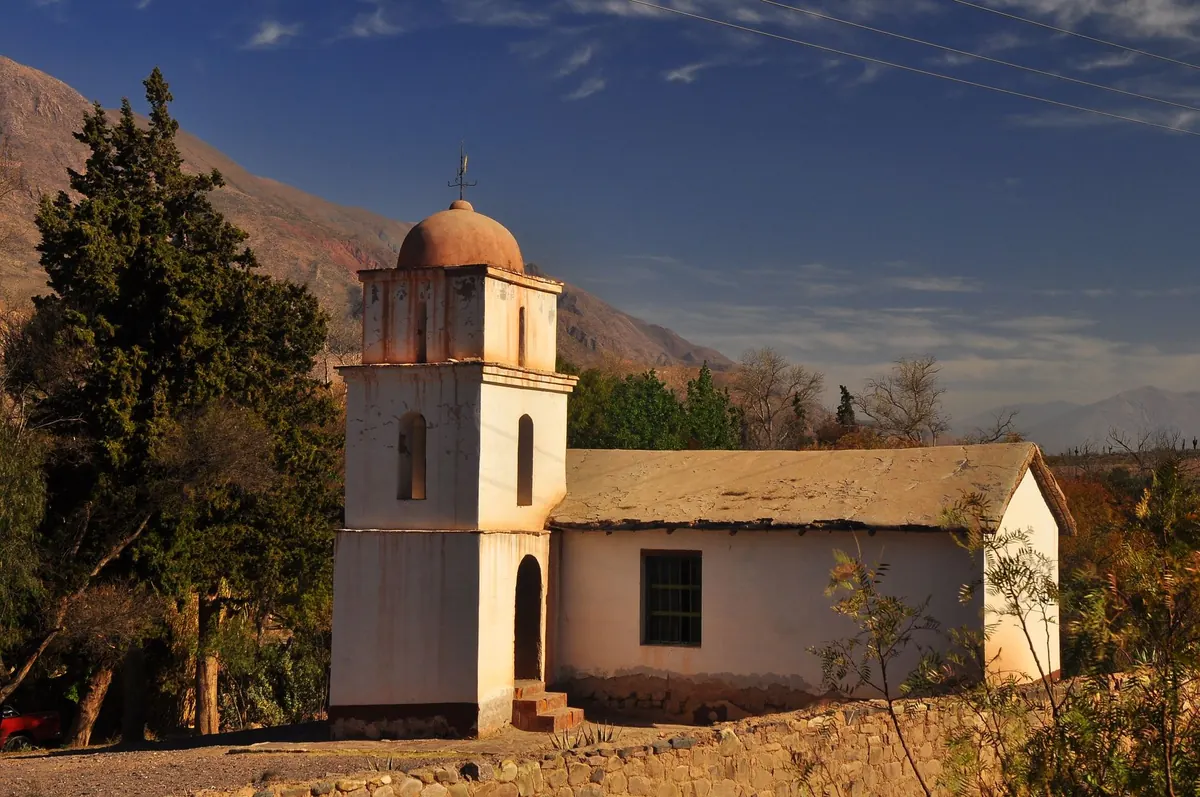
You can trace all of this without a specialist's training. Start with the parish church: a cruciform plan, an unusually long nave, blocked arches where a choir once continued, or a tower standing oddly off-centre all suggest a monastic church cut down to parish size. Then look at farm buildings — a great barn, a dovecote, a walled pond, a moat, a boundary that runs at an odd angle across fields all point to a precinct.
In towns, hunt for gatehouses, especially those later used as courts or lock-ups, and for street names ending in Abbey, Priory or Monk. For documents, the surrender deeds and pension records sit largely in The National Archives, whose Discovery catalogue can be searched by house name; county record offices hold estate papers, and the Victoria County History volumes on the religious houses of each county give a reliable summary of what was there. Local archaeology and history societies publish the detail that never made it into the guidebooks. And if you want to stand in a space that survived, visit a former monastic parish church on a quiet weekday morning — the building is the argument.
Photo: Antony Martindale / Pexels